
Built to Be Seen.
PROFESSIONAL VIDEO PRODUCTION
I.
Strong storytelling.
II.
Precision editing.
III.
Clean execution.
VIDEO ISN’T OPTIONAL ANYMORE.
IT’S THE LANGUAGE OF THE INTERNET.
In a world of infinite scrolling, attention spans last seconds, and most content fails to be noticed.
Without clarity, even the best ideas get lost.
You bring the vision,
I bring it to life.
Visit my showcased videos here on my website or on my YouTube channel.
But why a different approach?
Exactly.
My video production built around you.
Every project is built individually.
All-in-One Workflow
Save time and money by coordinating video and graphics with a single creator.
Handcrafted Motion Graphics
Specify and develop a fitting visual style. Gain a premium edge over competitors who use generic stock templates.
Staying Consistent
Set a standard for your visual identity and keep your project recognizable across all media types.
Platform Optimization
Content is tailored for specific social media algorithms (aspect ratios, pacing, hooks).
Before anything moves — it needs a form.
Not every project needs more content.
It needs the right direction.
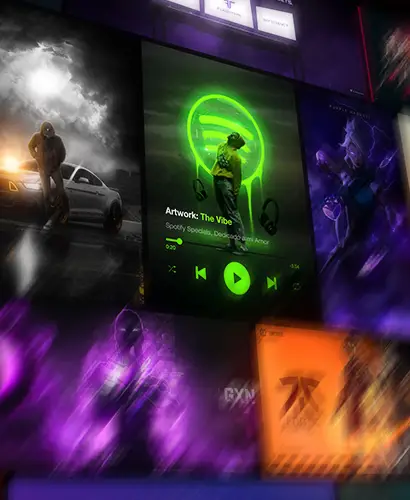
This is where graphic design comes in: defining how your project looks, how it feels, and how people recognize it. Setting style is essential for consistency. From logos and brand identity to social media visuals and print, every element is designed to fit together — not just exist on its own.
Discover the variety of graphics I create across my workflow.
Logo & Brand Identity
Simple by design. Distinctive logos and cohesive brand identities that express your brand clearly across every platform.
3D Modeling
Custom-built 3D models with realistic topography, textures and environment for endless compositing possibilities.
Merch Design
Clean, modern, and memorable merch graphics. Custom-made for clothing, accessories, and brand collections.
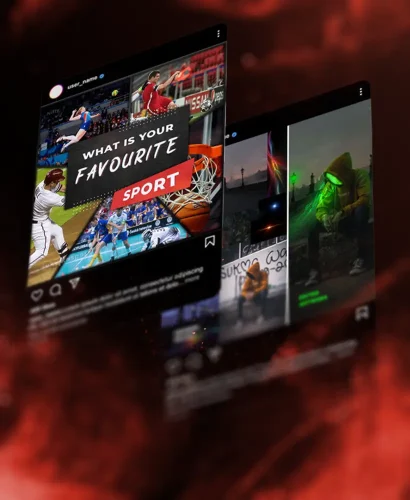
Social Media
Custom graphics for posts, stories, and campaigns designed to keep your content engaging and visually consistent.
Headers & Banners
Eye-catching, precision-crafted headers built to strengthen your presence across all social platforms.
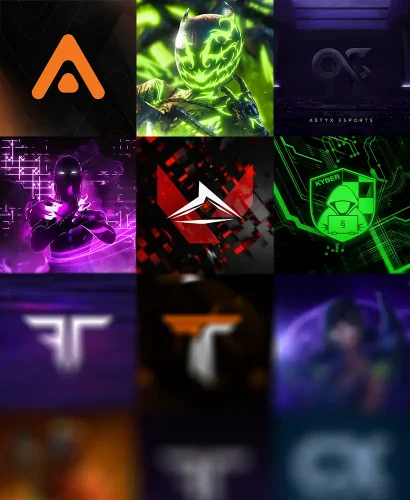
Profile Pictures
The essential element of every social profile. Crisp icons defining your digital identity instantly.
Print Designs
From business cards to billboards, print designs created with clarity, balance, and a professional look in every format.
But visuals don’t stop at design.
They move.
What starts as a visual identity becomes content —
adapted, animated, and built for real platforms.
The same style, tone, and identity are carried into motion — whether it’s short social media content or more complex video production. This keeps everything aligned and ensures that your content doesn’t just look good individually, but works together as a complete, professional output.
Explore the full range of video production I work on.
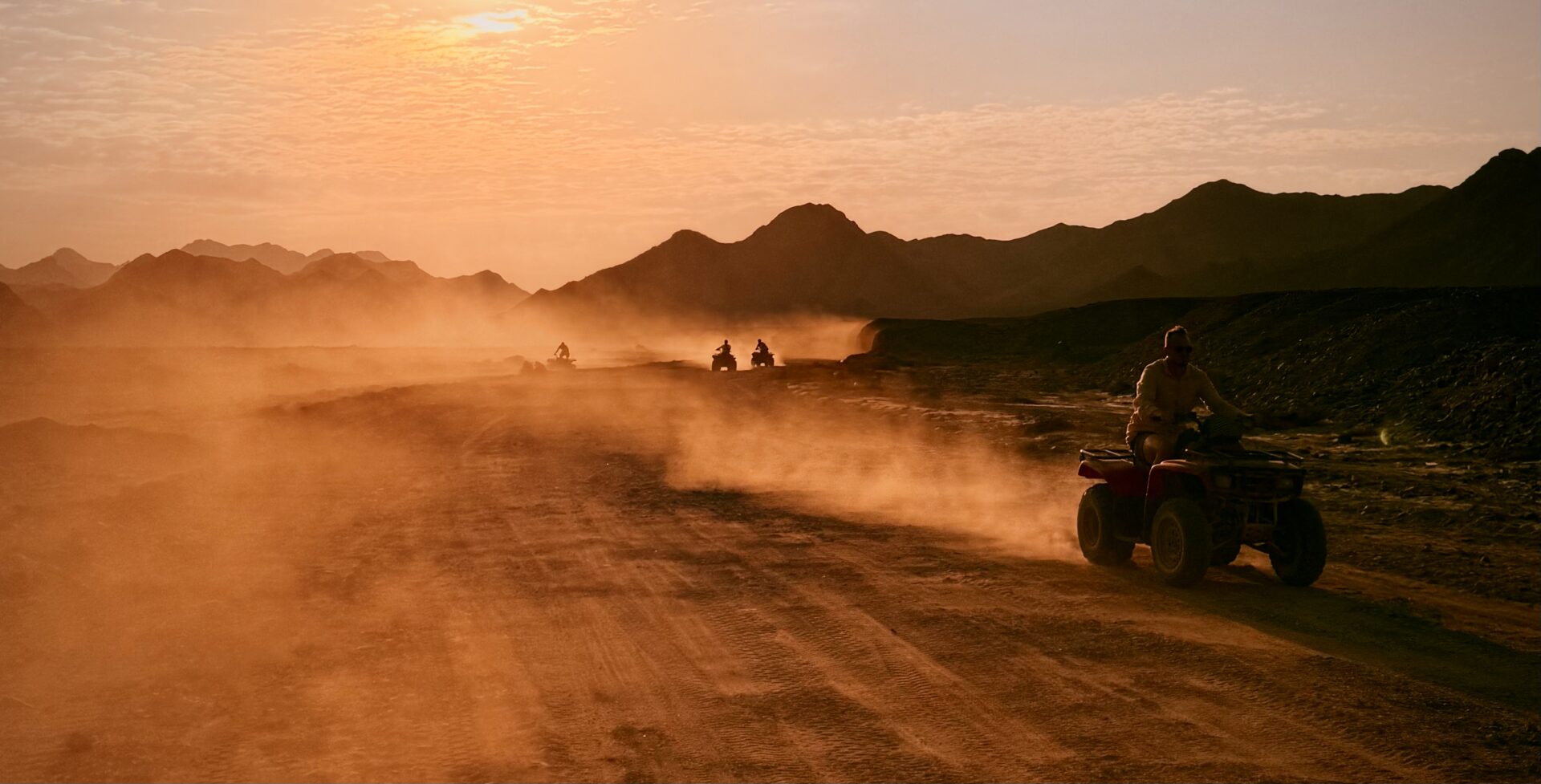
EVENT SHOOTS
Real moments. Real atmosphere. Professionally documented without distraction.
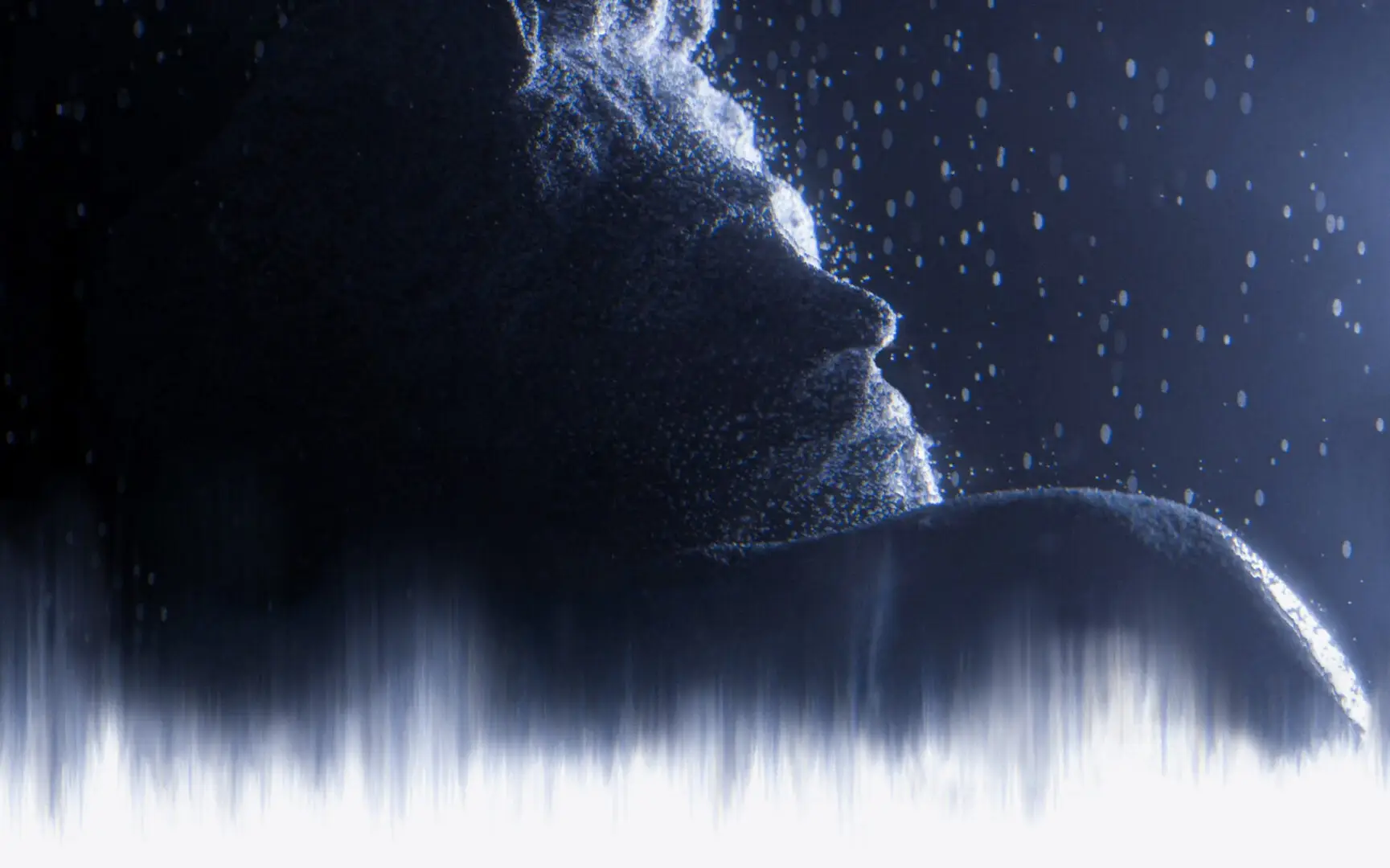
CINEMATIC TRAILERS
Teasers that go beyond visuals. Structured to engage, excite, and make your audience want more.
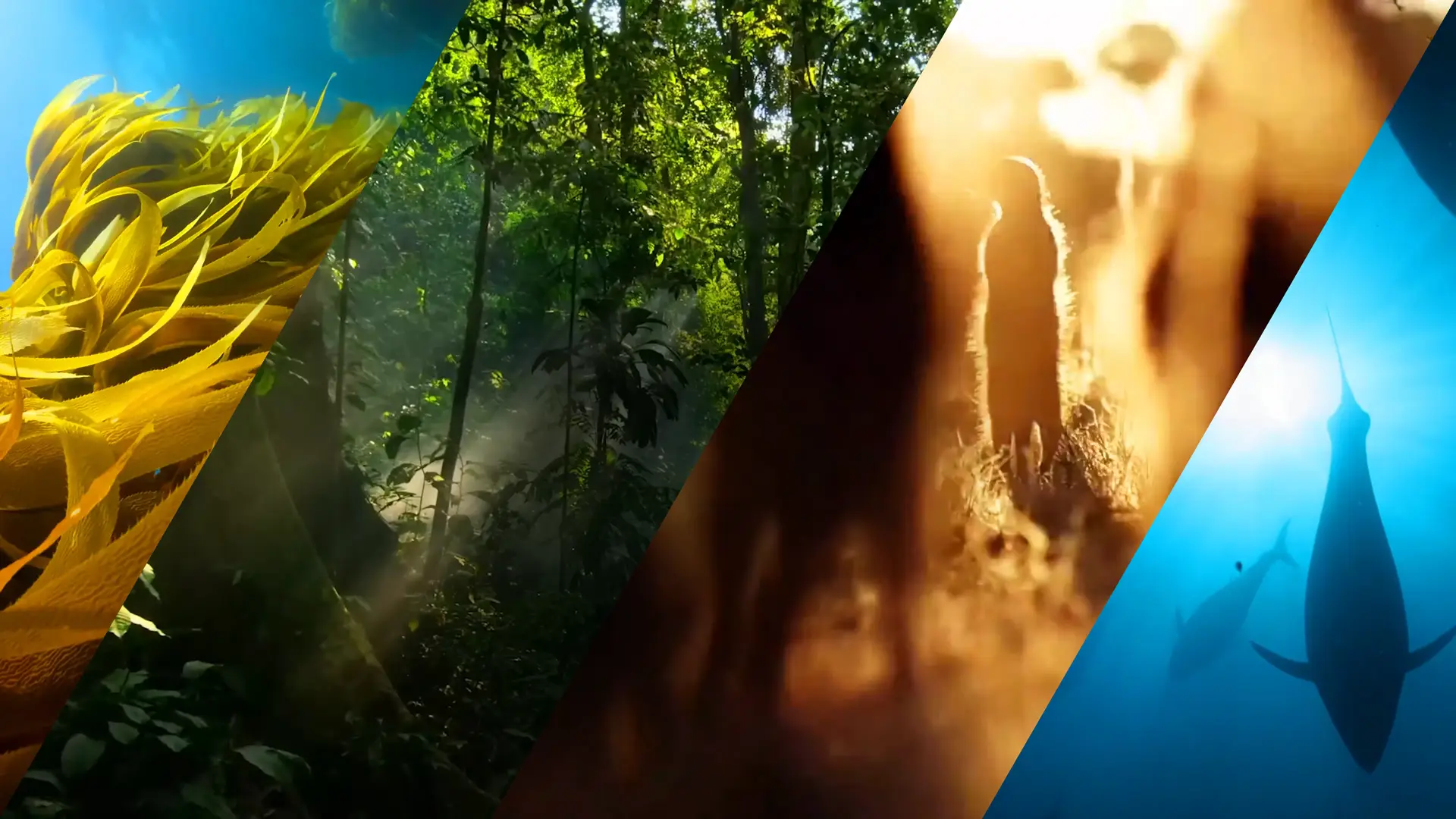
SOCIAL MEDIA VIDEOS
Clean, engaging visuals that feel native, modern, and made to perform in crowded feeds. Optimized for every platform.
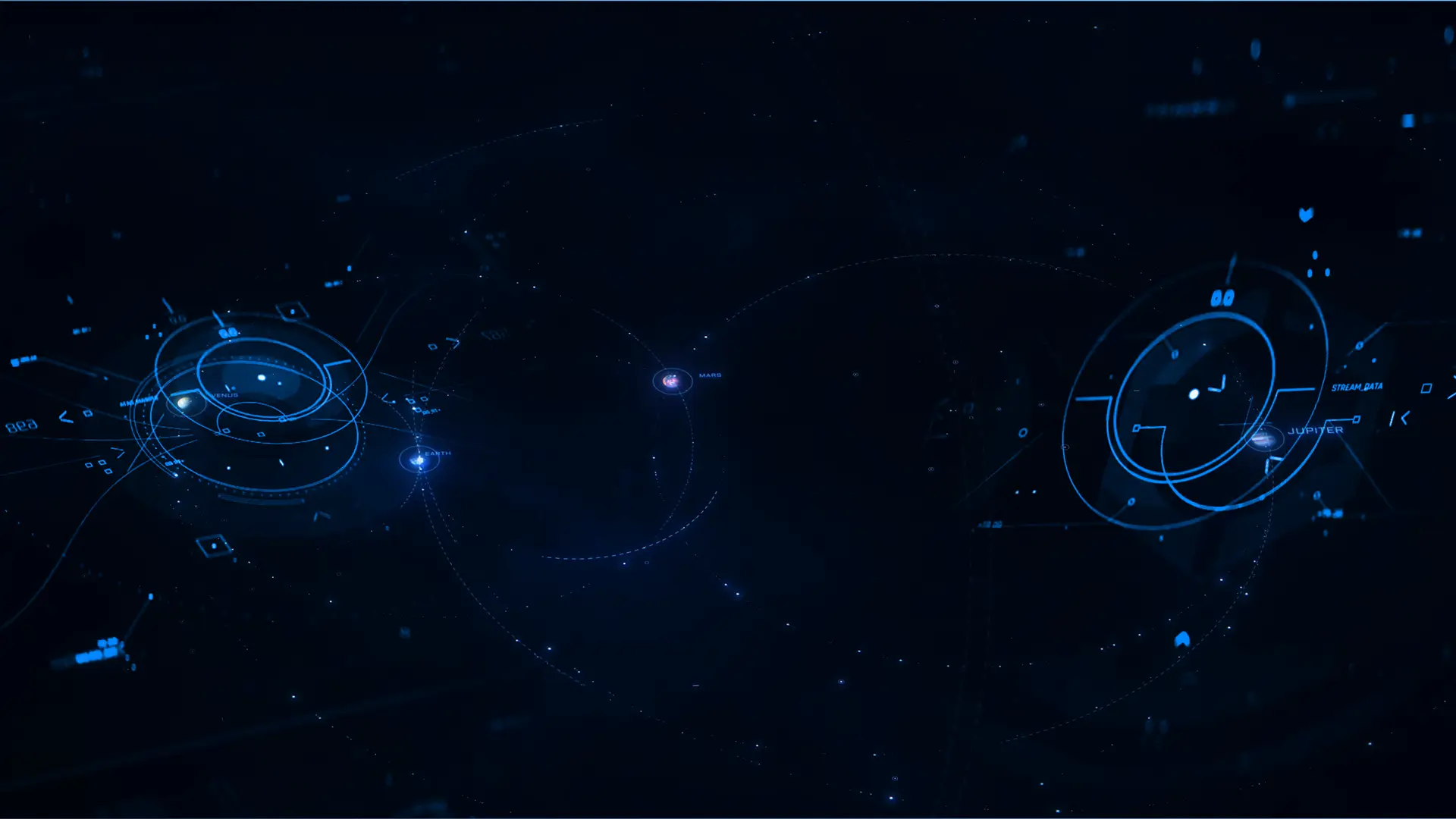
MOTION GRAPHICS
Bring your logo to life. Intentional animations built to feel professional and visually consistent.
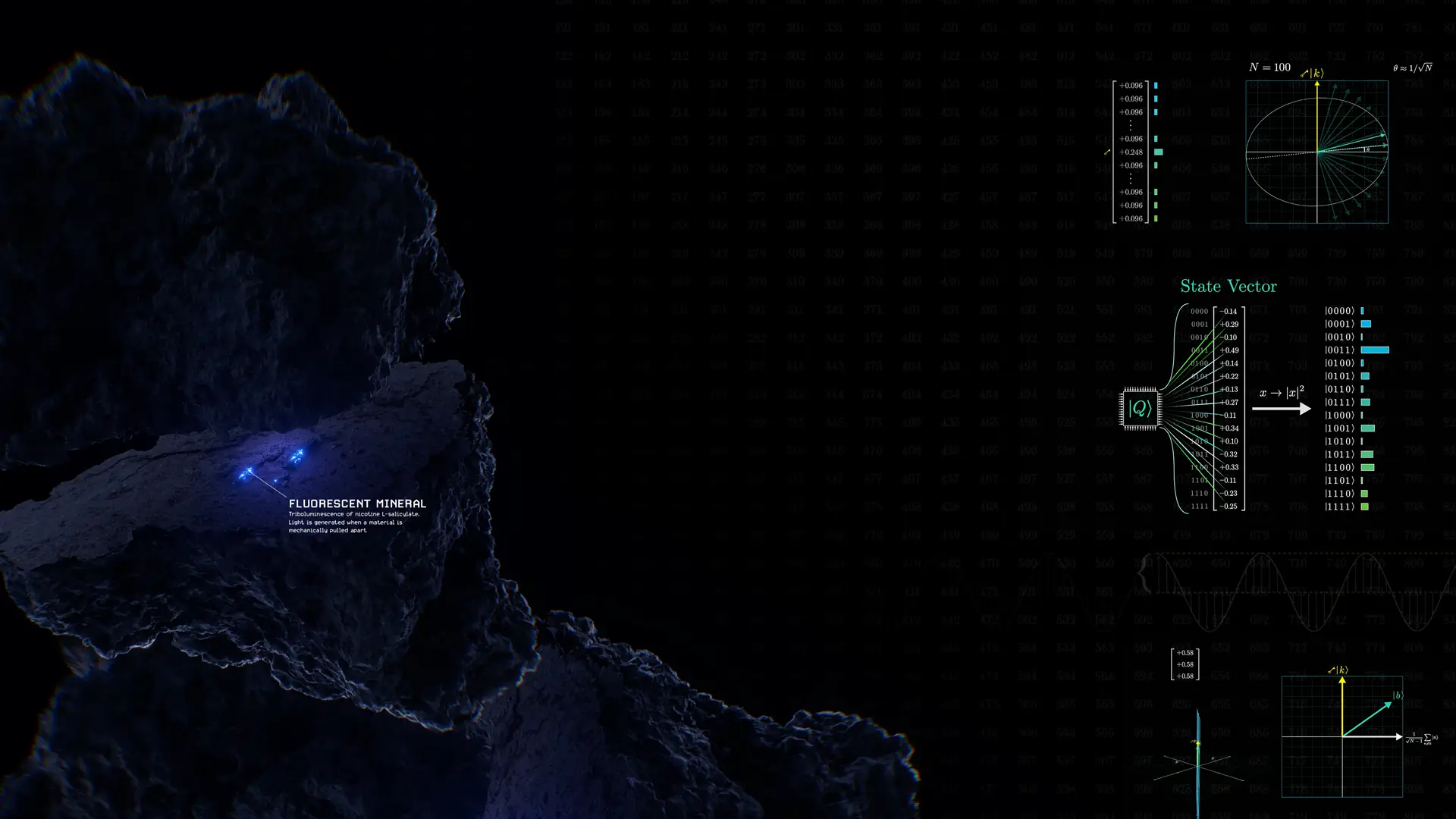
EDUCATIONAL VIDEOS
Clarity first. Structured visuals that make complex ideas easy to understand and retain.
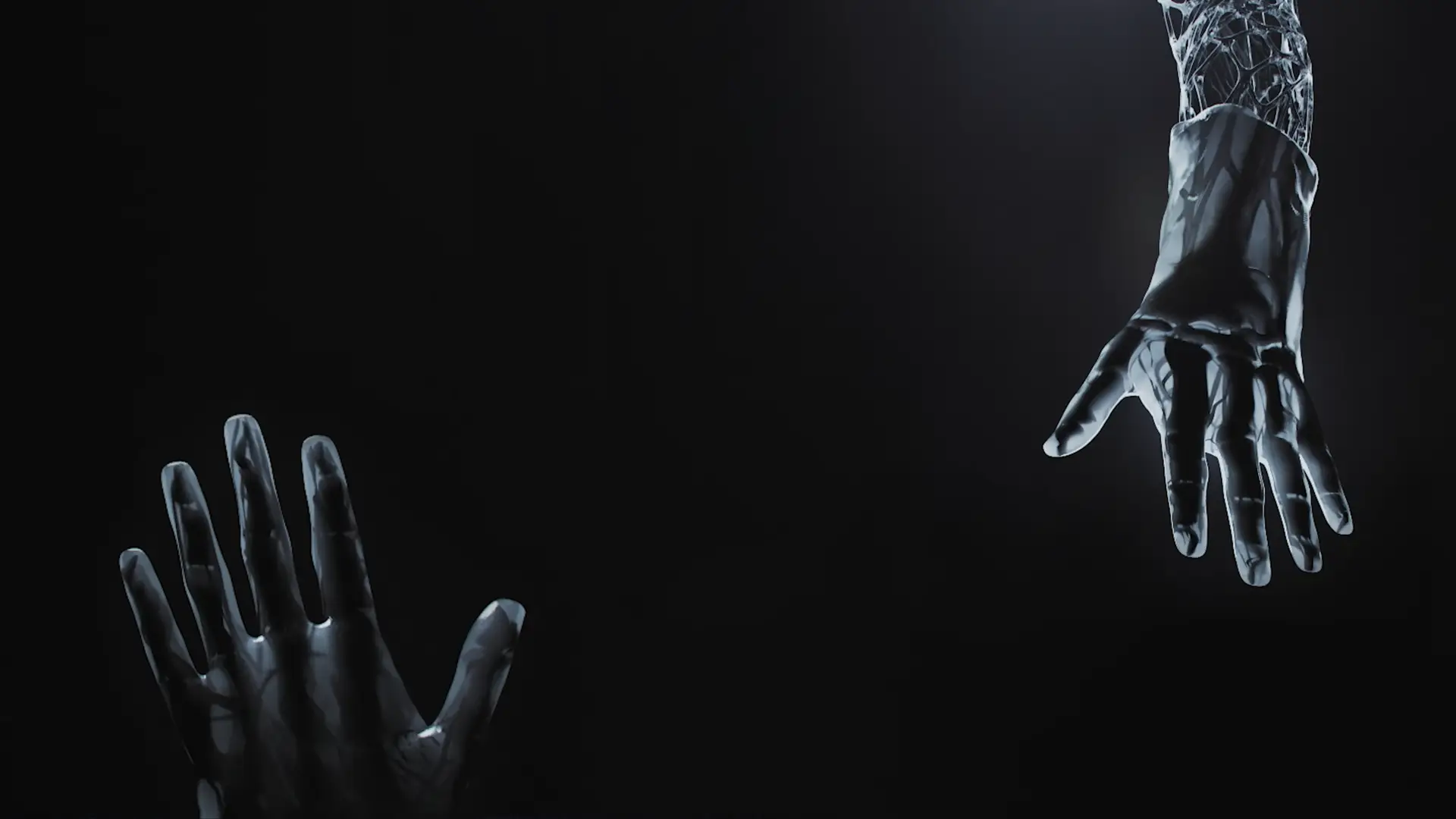
3D PRODUCTION
When your project demands something extra, I bring ideas into three dimensions using Blender. Designed for full creative control.
STREAMING SETUPS
Engineered for reliability. Seamless setups that ensure smooth, polished live streaming.
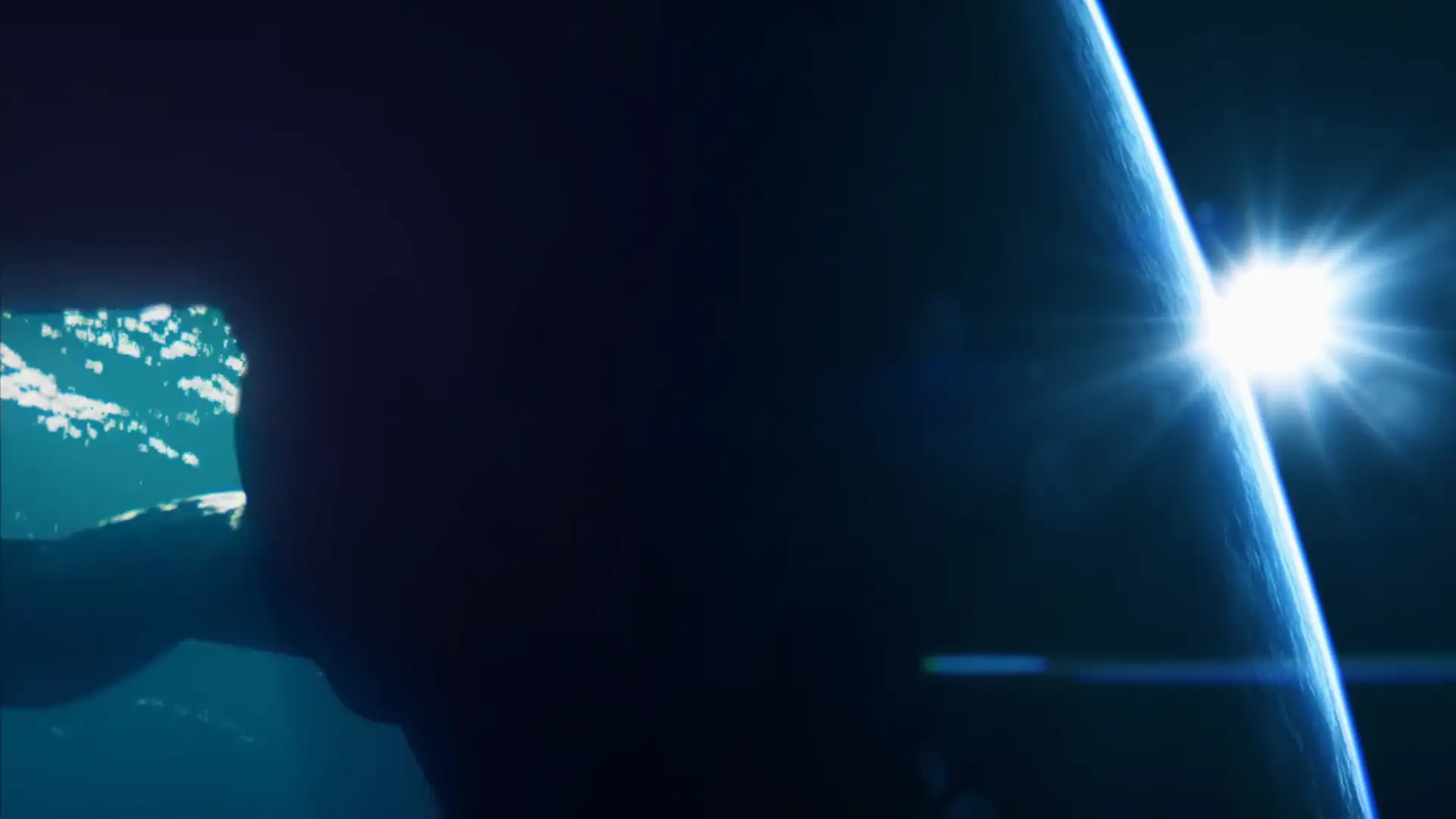
GAMING FRAGMOVIES
Every moment amplified. Precision editing that turns watching gameplay into watching movies.
First, Storytelling & Narrative Design:
I partner with you to build a bespoke storytelling framework—crafting a clear, focused narrative from scratch. We’ll map out each scene, ensuring your message is front and center, so your audience stays engaged from start to finish.
Second, Custom Soundtracks & Adaptive Audio:
I create unique soundtracks tailored to your video’s rhythm and mood. Whether you need a short, punchy one-minute piece or a longer immersive score, I adapt the audio to fit perfectly. Every project gets a custom sound design that elevates your video beyond stock options.
Third, Professional Audio Quality:
I only use premium audio libraries, ensuring every voice, sound effect, and ambient layer is crisp and balanced—so the audio never distracts but always immerses.
Fourth, Motion Design & Visual Storytelling:
I bring your visuals to life with smooth motion design—dynamic transitions, animated graphics, and layered movement that guide your audience through each beat of the story.
Fifth, Color Grading & Visual Style:
I meticulously color-grade each shot—creating a refined, cinematic tone that aligns with your brand’s personality and evokes the perfect emotion.
Sixth, Editing with Precision:
I edit with a clean, deliberate pace—cutting on beat, maintaining rhythm, and balancing each scene so your video feels seamless.
Seventh, 3D Modeling with Blender:
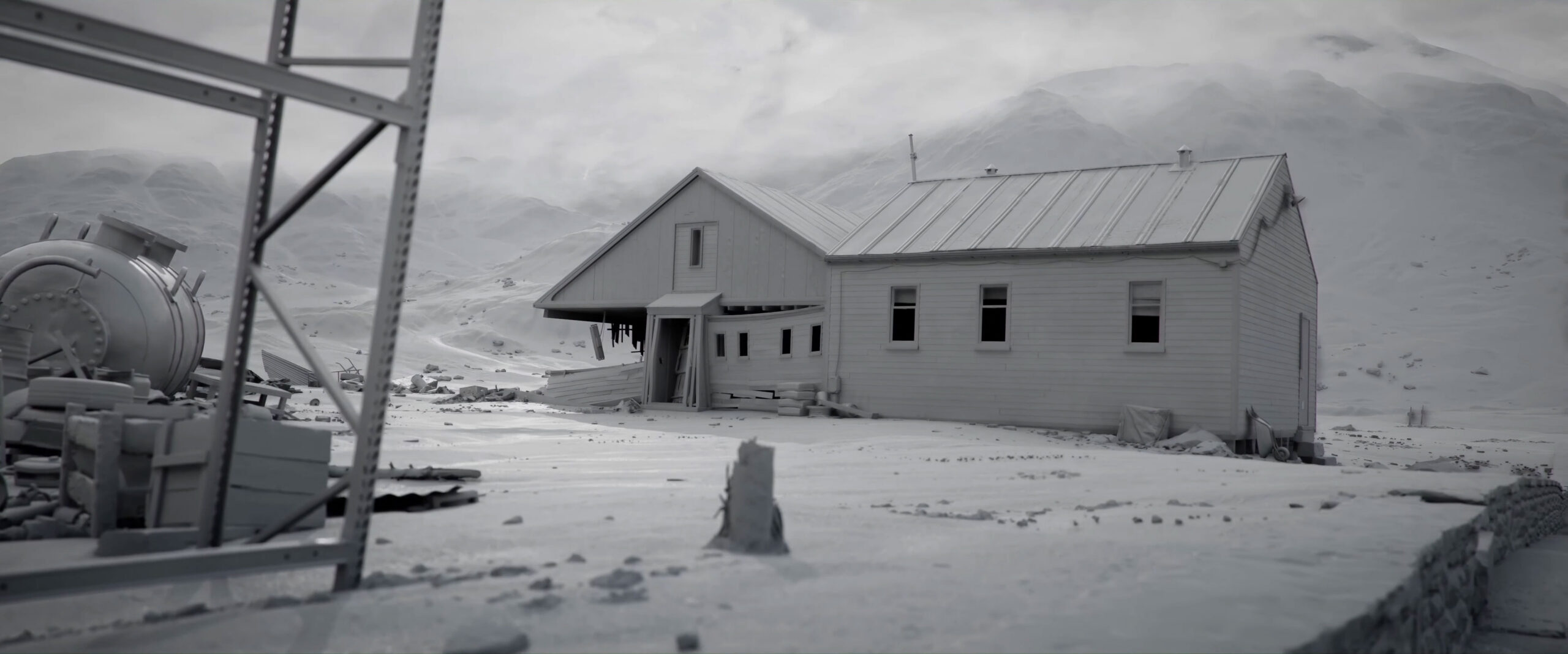
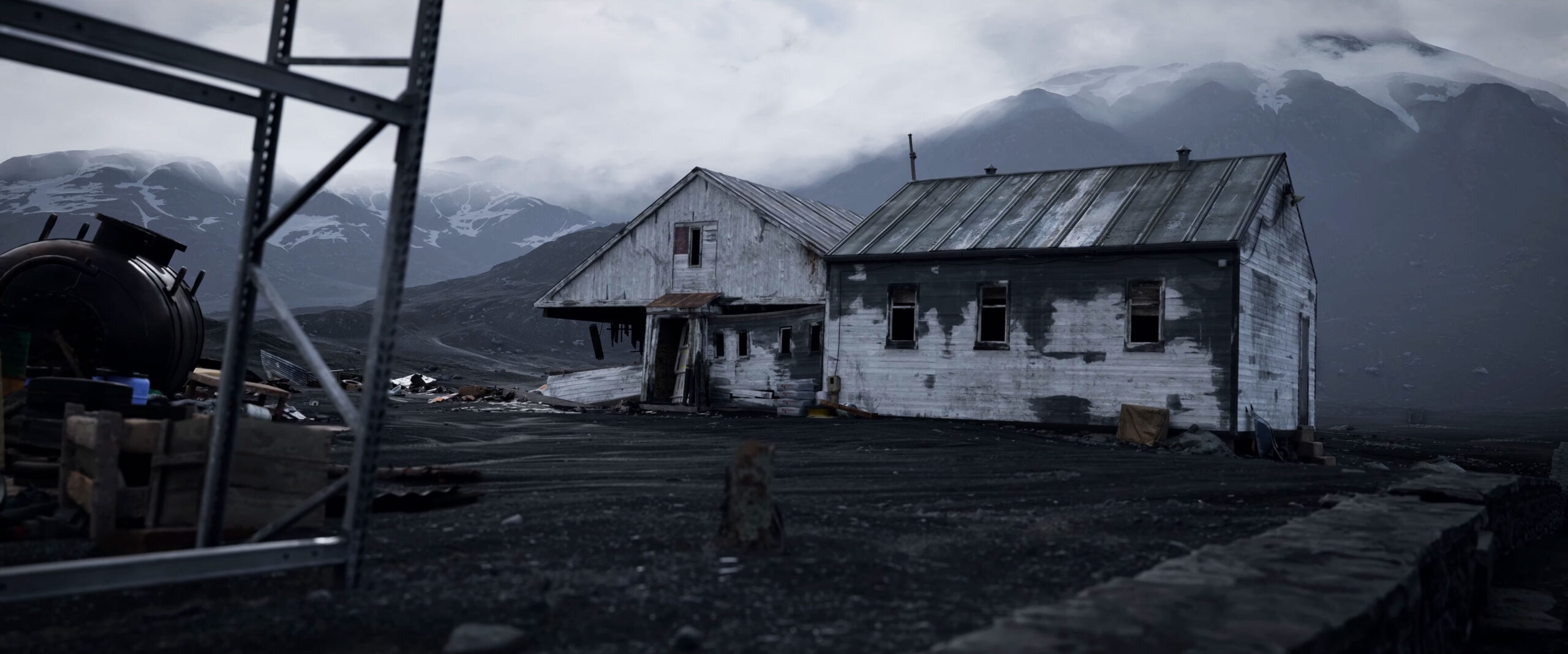
When your project demands something extra, I bring ideas into three dimensions with Blender—creating custom models that add depth and detail, whenever your vision calls for it. As the process evolves, materials, reflections, shadows, and atmosphere are composed to bring the scene to life. What starts as a technical viewport becomes a fully rendered visual — allowing complete control over environments that don’t exist, yet feel realistic and immersive as demonstrated below.
Each project is approached based on what it needs. Complex edits with heavy compositing, motion design, and visual effects are developed in After Effects, where control over every frame matters. Structured, longer-form content is refined in Premiere Pro, focusing on pacing, timing, and clean storytelling.
Beyond editing, the process includes color correction and grading to unify the look, smooth transitions to guide attention, and subtitles or on-screen text to support clarity and engagement. Every detail — from cuts to visual flow — is adjusted to feel natural and sharp.
Sound is built alongside the visuals, not added at the end. Using Adobe Audition and Ableton Live, audio is shaped through mixing, effects, and custom elements, supported by professional libraries like Ocular Sounds.
Combined with 3D workflows and the full Adobe ecosystem, this approach allows complete creative control — alowing me to develop visuals, motion, and sound together as one cohesive result.
Layer by layer in Photoshop
What starts as separate elements — images, textures, light sources — is carefully combined into one seamless composition. Through precise compositing, lighting, and detail work, everything is carefully blended to feel natural, balanced, and real — even when it wasn’t to begin with. The goal isn’t just to merge assets, but to make them belong together. Even when the original pieces come from completely different sources, the final result feels cohesive and intentional.
June 2021
In case you need a wallpaper.
I work closely with you to build a bespoke video from the ground up, beginning with a personalized storytelling framework that defines your core message. I create custom soundtracks that adapt to your exact video length and mood — every note tailored for impact. Alongside premium audio libraries, I ensure your sound design is always crisp and immersive. As your visuals come alive, I bring motion design into the mix — animated graphics and transitions that guide your audience with energy. I also have a strong grasp of color grading, ensuring each scene fits the mood you envision. And when your project demands something extra, I bring ideas into three dimensions with Blender — custom models and environments that add depth and a unique dimension to your story. Every step, every detail, is curated to keep your project clean, professional, and distinctly yours — giving you a premium, personalized result every time.